
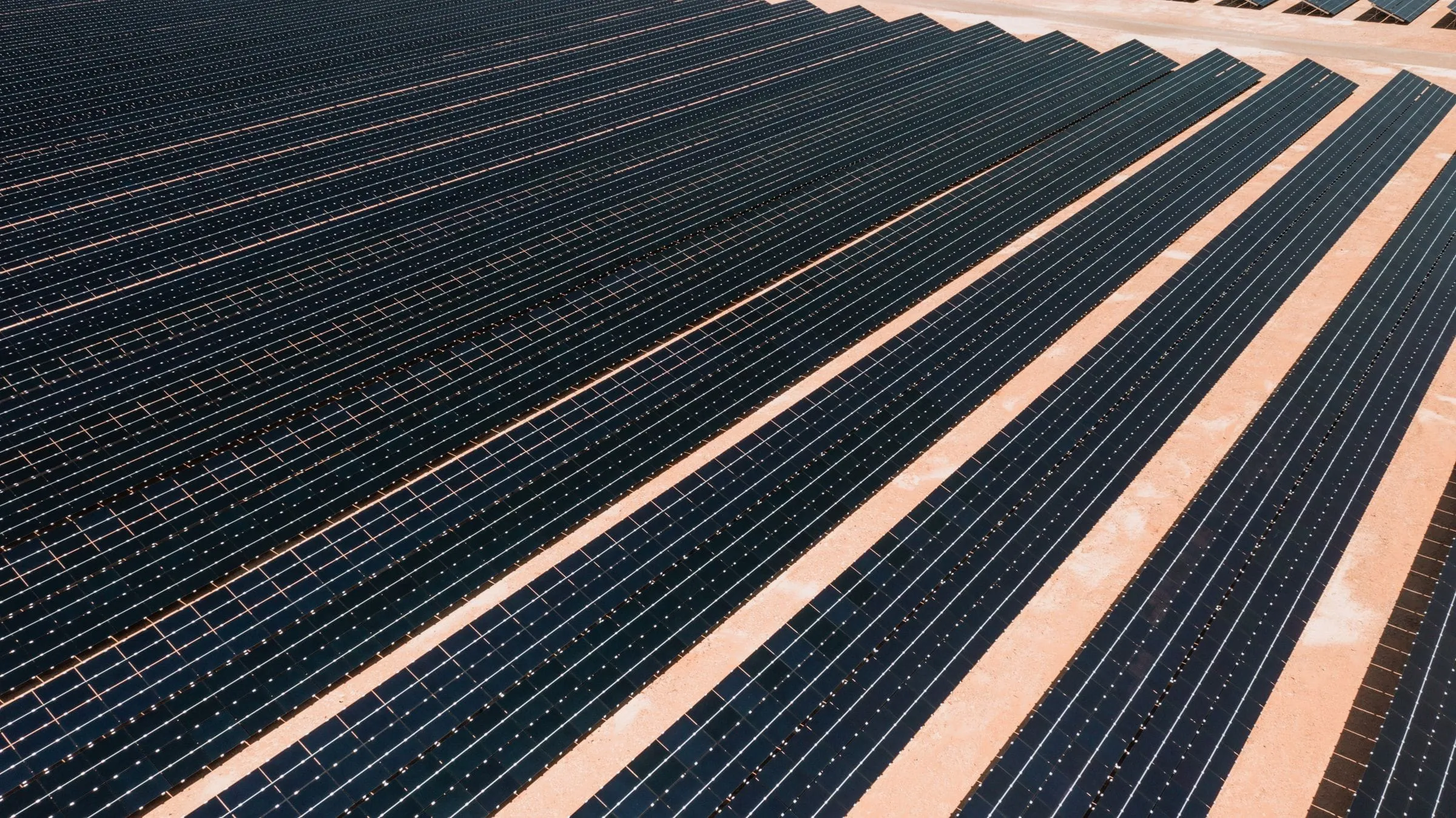
Solar power, planned around where it is used.
Sarh Al Khalij supplies solar energy systems from its Erbil office for homes, commercial and industrial rooftops, farms and water pumping, and sites beyond the grid across Iraq. Every system starts from its application — what needs to run, when, and where — and the components follow from that.
Start with where the power is needed.
A villa roof, a factory roof, a borehole and a remote mast each ask something different of a solar system. Choose the application closest to yours to see the component lines it usually draws on.
- 01
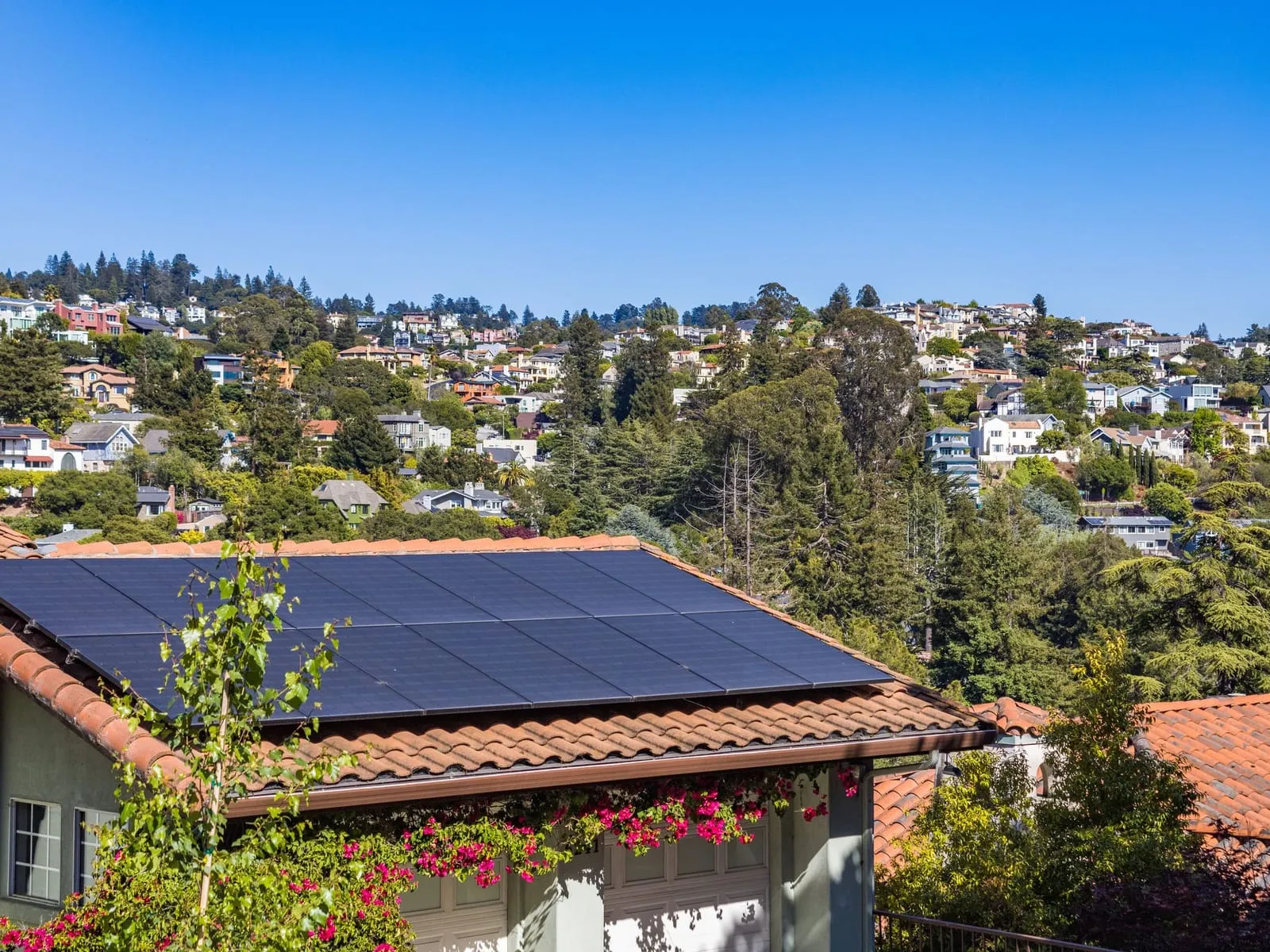
Homes & Villas
Rooftop systems that carry a household's daytime load and, with battery storage, keep essential circuits running through the evening and during grid cuts.
Typical components - 02
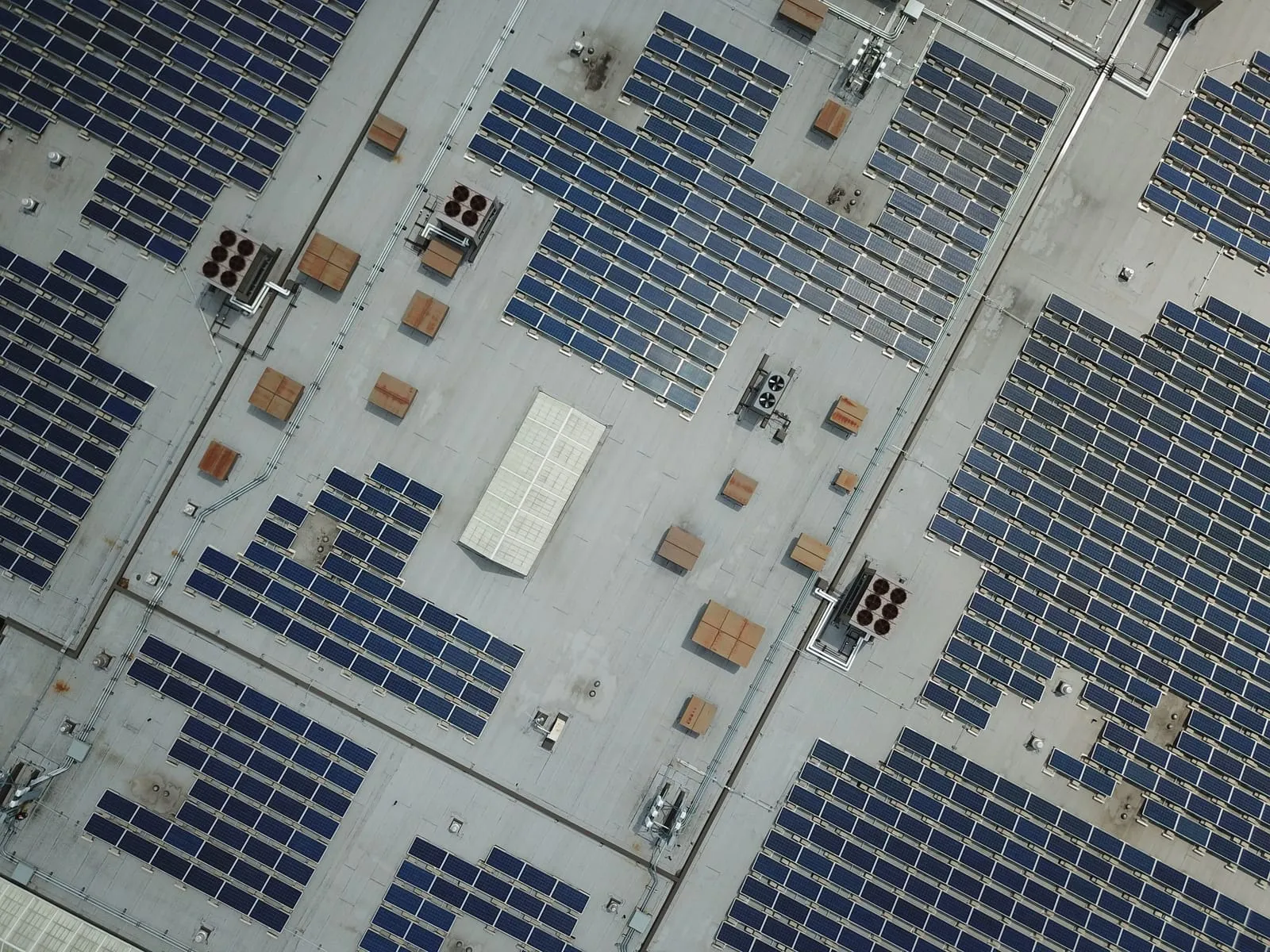
Commercial & Industrial Rooftops
Larger roof and carport arrays for shops, offices, workshops and factories, sized to daytime demand to reduce what is drawn from the grid and from generators.
Typical components - 03
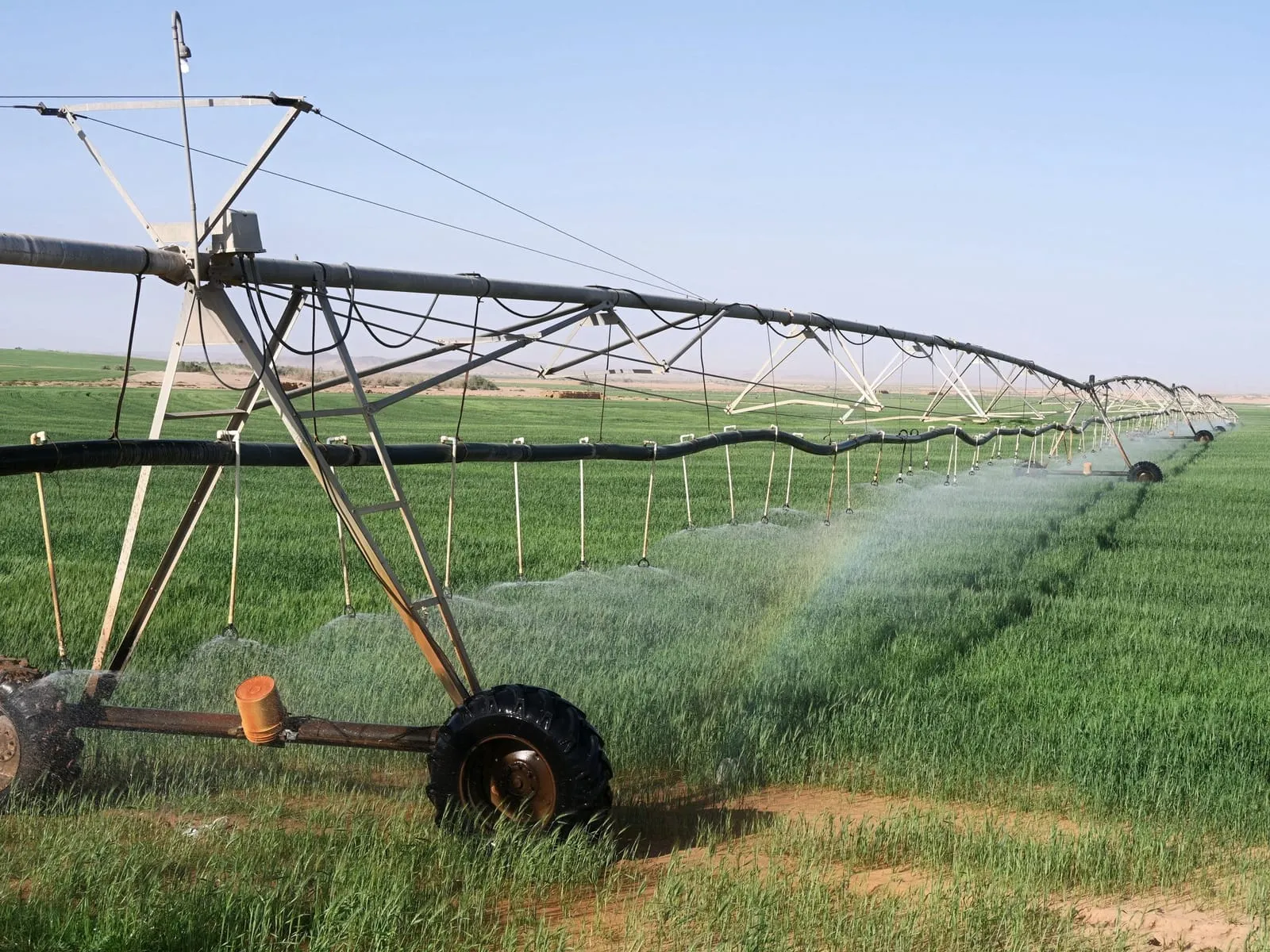
Agriculture & Water Pumping
Solar pumping for boreholes, drip lines, sprinklers and centre pivots — water moved in daylight hours, with storage tanks to carry supply beyond them.
Typical components - 04
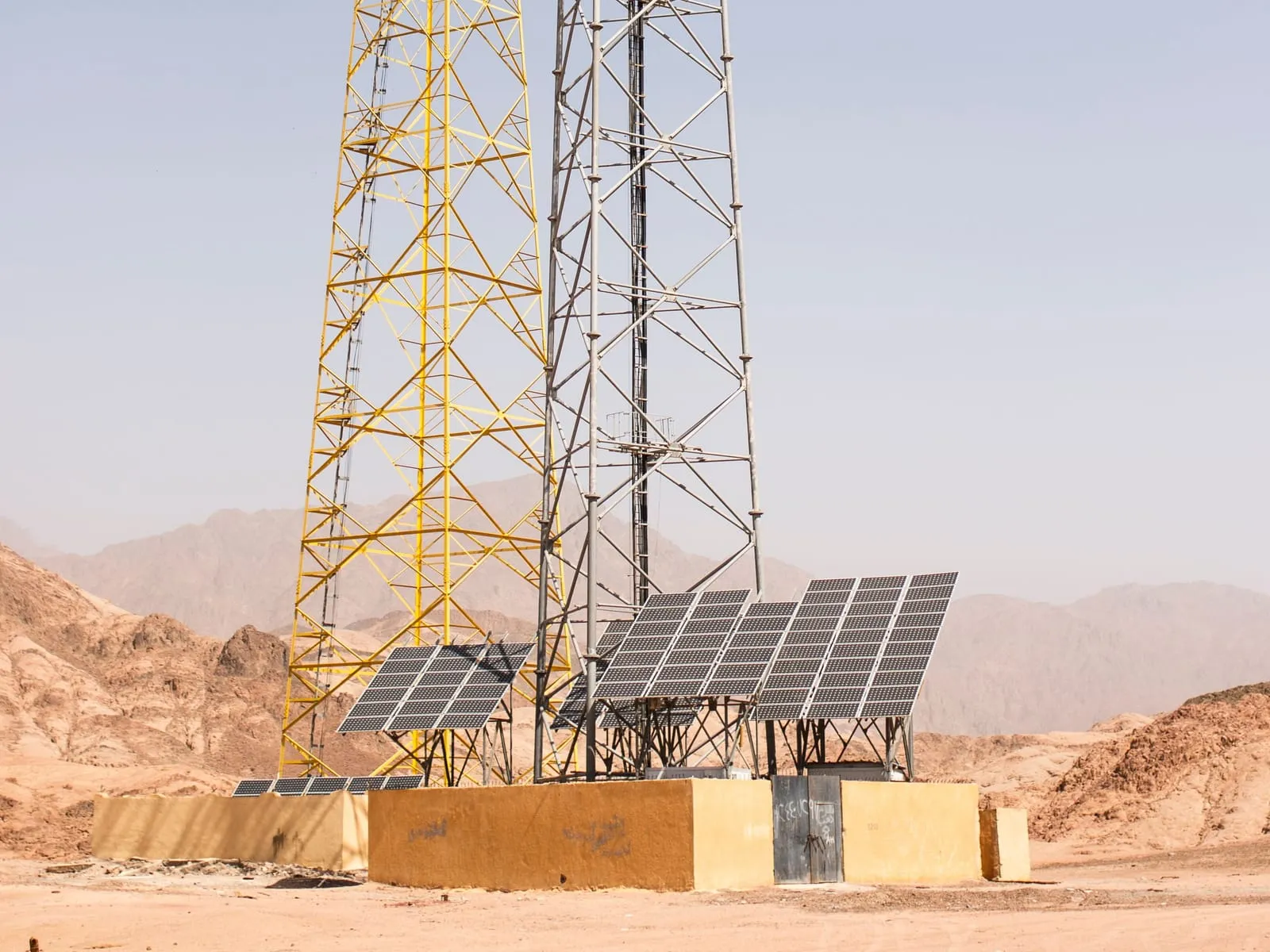
Off-Grid & Remote Sites
Stand-alone systems for farms, rest houses, masts and remote facilities with no grid connection, combining panels, inverter-chargers and batteries in one set.
Typical components
Four questions shape every system.
Before any component is chosen, a solar system is defined by four plain questions. Answering them in a first enquiry lets us put together a component list for quotation.
- 01
What needs to run?
The appliances, machines or pumps the system must power, and roughly how much each one draws.
- 02
When is it needed?
Daytime only, into the evening, or around the clock — this decides whether batteries are part of the system.
- 03
What supply is there now?
National grid, a generator, both, or neither — this decides between grid-tied, hybrid and off-grid inverters.
- 04
Where will it go?
A pitched roof, a flat roof, open ground or a carport — this decides the mounting structure and the space for panels.
Six component lines, one catalogue.
Every application is built from the same six component lines. The products page sets out what each line includes.
- 01 Solar Panels Modules for roofs, carports and open ground.
- 02 Inverters Grid-tied, hybrid, off-grid and micro.
- 03 Batteries & Storage Lithium banks for evenings and grid cuts.
- 04 Mounting Structures Rails and frames for every surface.
- 05 Solar Pumping Systems Borehole pumps and irrigation pumping sets.
- 06 DC Cabling & Protection Cable, connectors, isolation and surge protection.
Tell us about your site.
Share the application, the location and what needs to run, and we will come back with the components that fit.